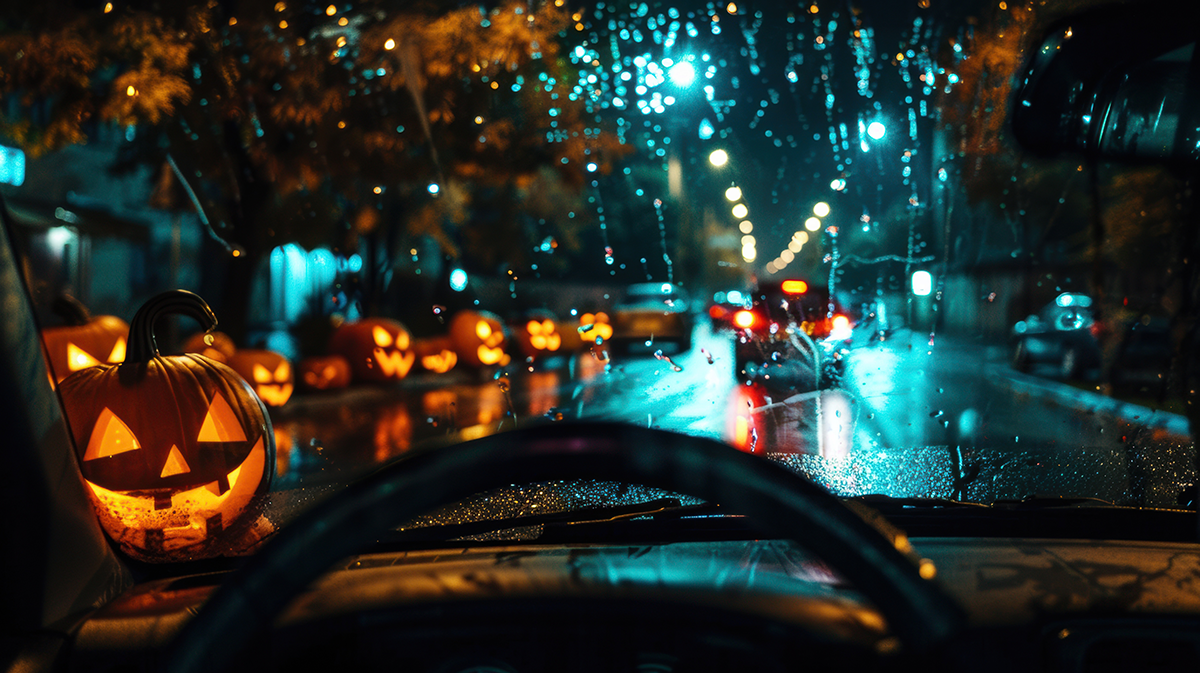
Why October Is Especially Risky After Dark
If you live on Colorado’s Western Slope—especially in Grand Junction and Mesa County—you likely notice that evenings feel darker earlier in October. But there’s more to the shift than ambiance: crash data and academic studies point to October as one of the most dangerous months for dusk- and low-visibility driving.
A data mining study published on arXiv found that many accidents concentrate during dusk hours (roughly 6:00 to 7:00 pm), and that October ranks among the most accident-prone months overall. arXiv The authors note that these trends align with increased human activity (tourism, events) in autumn. Another arXiv study on pedestrian crashes shows that lighting condition plays a major role in crash severity patterns. arXiv
On a national level, research shows that pedestrian fatalities are far more likely to occur under low‐light conditions. In fact, pedestrian deaths are many times more likely in darkness than in daylight. PMC+1 Also, streetsblog reported that in one U.S. city, 88 % of collisions at dusk/dawn were mis‐classified in crash reports, indicating that the true danger of twilight may be underappreciated. Streetsblog USA
Locally, the risk is not theoretical. In 2024, Grand Junction recorded 1,829 reported motor vehicle accidents, of which 312 involved injuries. Veritas In Mesa County more broadly, from 2016 to 2022 there were over 17,000 total crashes, with 594 of those leading to fatal or serious injuries. Mesa County+1 The county’s “Safety Action Plan” flags vulnerable intersections and segments—especially in urban zones—where lighting, signage, and pedestrian flows are under scrutiny. Mesa County
Given this mix of national research and local data, the convergence of Halloween foot traffic, earlier darkness, and distracted drivers makes October evenings particularly risky here in Grand Junction and Mesa County.
Contributing Factors That Elevate the Danger
1. Shorter Daylight & Twilight Confusion
As daylight fades earlier, many drivers are still adjusting to new schedules. The brief “twilight” period is tricky: drivers’ eyes struggle to re-adapt from daylight to dim or shifting light. Some crash reports even mislabel “dusk” crashes as daytime or nighttime collisions, masking the real pattern. Streetsblog USA
2. Halloween & Pedestrian Surges
Halloween brings a surge of foot traffic—kids, families, groups trick-or-treating. Costume visibility (e.g. dark clothing), distractions (phones, candy), and irregular crossing behaviors amplify risks. October is also National Pedestrian Safety Month, underscoring that more pedestrian-vehicle interactions happen this time of year. Traffic Safety Marketing
3. Costume & Prop Distractions
Masks, wigs, oversized props, and visibility-hampering costumes might cause pedestrians to misjudge road cues—or drivers to misjudge them. Children may dart between parked cars, or cross midblock.
4. Poor Visibility & Lighting Gaps
Many streets, especially in less-trafficked areas of Mesa County, lack consistent or adequate lighting. In dark-without-streetlight conditions, certain crash patterns correlate strongly with driver impairment, inattention, or collisions with animals. arXiv+1
5. Speed & Distracted Driving
Drivers may underestimate danger in dusk or assume pedestrians are visible. Combine that with speeding, cell phone use, or drowsiness, and the danger compounds. In Mesa’s urban zones, reports show that 22% of serious/fatal crashes involve speeding or aggressive driving. Mesa County
6. Wildlife / Animal Crossings
In rural or semi-rural areas on the Western Slope, dusk is prime time for deer or other animals to cross roads. Collisions with animals are more likely when visibility is poor. Wikipedia
How Drivers Can Stay Safer in October Nights
- Slow down, especially near residential or pedestrian areas. Lower speeds give you more reaction time when visibility is limited.
- Use your headlights smartly. In many vehicles, automatic high beams help—but know when to switch to low beams to avoid blinding pedestrians or other drivers.
- Be extra vigilant around crosswalks, neighborhoods, and intersections. Expect trick-or-treaters or pedestrians at odd hours.
- Minimize distractions. Phone, radio, navigation—put them away, especially at dusk.
- Anticipate crossings. Watch for movement near curbs or parked vehicles.
- Avoid driving impaired or fatigued. Risk is magnified in low-light.
- Stay alert for wildlife. Use high beams when safe and scan ahead.
- Maintain clear windshields/lenses. Smudges or fogging degrade visibility especially in dusk light.

Safety Tips for Pedestrians & Trick-or-Treaters
- Wear reflective materials or lighted accessories. Glow sticks, LED necklaces, reflective tape on costumes.
- Carry a flashlight or small light. Helps you see and be seen.
- Stick to sidewalks or paths. Don’t walk in traffic lanes when a sidewalk exists.
- Cross at crosswalks or intersections. Don’t dart between vehicles.
- Make eye contact with drivers before crossing. Ensure they’ve seen you.
- Supervise children closely. Especially younger trick-or-treaters near roads.
- Avoid dark costumes without contrast. Bright or contrasting colored costumes are safer at night.
After a Low-Light Collision? What to Document & Protect Your Rights
In the unfortunate event you’re hit or involved in a low-visibility crash, here’s what to do:
- Call law enforcement and medical help immediately.
- Document the scene. Take timestamped photos of: lighting conditions, your position, road signs, crosswalks, vehicle damage, surrounding area, costume or clothing, streetlights or shadows.
- Collect witness information. Names, phone numbers, email, statements.
- Note ambient conditions. Time of day, weather, visibility, functioning streetlights.
- Preserve your clothing or props. Don’t discard your costume, candies, flashlight—even fragments might help.
- Seek medical attention promptly—even for “minor” injuries. Some symptoms (e.g. whiplash, concussion) appear later.
Reach out to an attorney experienced in low-visibility or pedestrian crash cases. They can help gather expert testimony (lighting, sightline, vehicle dynamics) and preserve critical evidence.
Final Takeaways
October on the Western Slope is more than just fall colors and cooler nights. The shift in daylight, combined with Halloween foot traffic and low visibility, creates a “perfect storm” for dusk-time crashes. Whether you’re driving or walking, staying alert, slowing down, and prioritizing visibility can make the difference between a safe night and tragedy.
If you or someone you love is injured in a low-light crash in Grand Junction or Mesa County, take the steps above to document the incident and preserve your rights. You don’t have to face recovery—and legal pathways—alone.